In New York City, a boiler inspection includes a check of the boiler and its safety devices by a qualified inspector, followed by an inspection report filed in DOB NOW: Safety within 14 days. If the inspector finds defects, the process also includes a correction period and a second report, according to the NYC Department of Buildings (DOB).
- The inspection cycle is the calendar year, January 1 to December 31.
- In the boiler room, the inspector looks at the condition of the boiler and its safety devices: relief valve, low water cutoff, pressure and temperature controls, gauges, burner and venting.
- Low pressure boiler inspections can be performed only by qualified installers licensed by DOB or by an authorized boiler insurance company.
- The report must be filed in DOB NOW: Safety within 14 days of the inspection.
- Defects must be corrected within 90 days of the inspection date, and a second report is filed after the follow-up inspection.
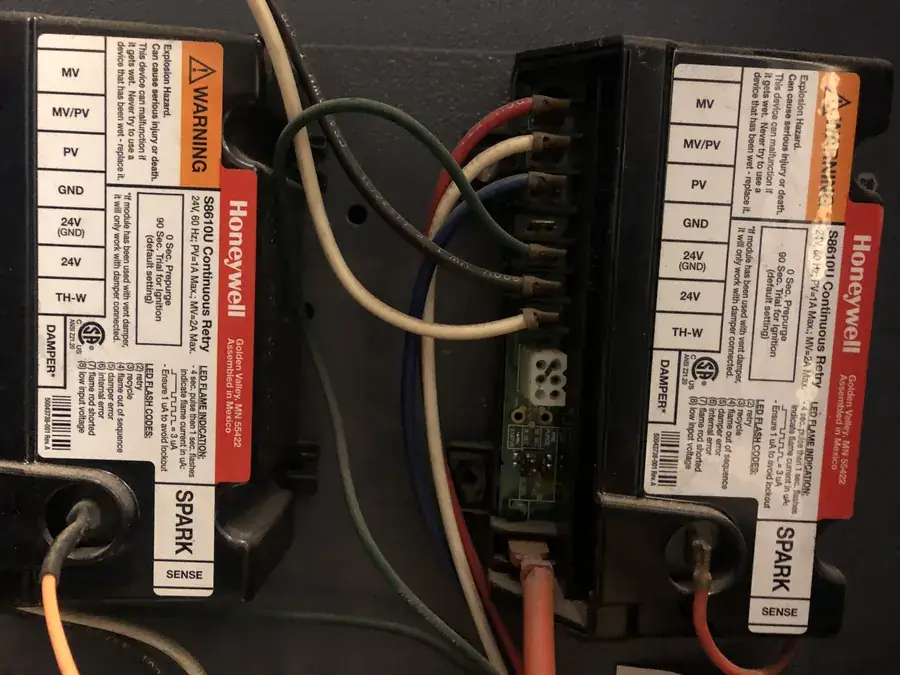
The two parts of an NYC boiler inspection
The hour someone spends in the basement is only half of it. The other half is the filing. On its Boiler Compliance page, DOB says the boiler inspection cycle runs from January 1 to December 31, that inspections must be performed within that calendar year, and that every inspection report is due within 14 calendar days of the inspection.
An inspection with no report on file does not count, which is how a sound boiler can still end up with a violation.
What gets checked in the boiler room
Most Brooklyn buildings heat with a low pressure steam or hot water boiler. In the boiler room, the inspection centers on the parts that keep it safe:
- Safety relief valve: present, the right type for the boiler, not leaking, capped or piped shut.
- Low water cutoff: on a steam boiler, it has to shut the burner down when the water level drops.
- Pressure and temperature controls: the pressure control, gauge and gauge glass on steam; the aquastat and combination gauge on hot water.
- Burner and ignition: the pilot or igniter, the flame safeguard and the condition of the burners.
- Venting and combustion air: the flue pipe, the chimney connection and enough fresh air for the burner.
- Leaks and corrosion: the boiler sections, the piping near the boiler and the floor under it.
Our plumbers go through the same items when we prepare a boiler, so problems are repaired before they become written defects. If you smell gas in the boiler room at any point, leave the building and call 911 from outside.
Who is allowed to perform the inspection
DOB puts the responsibility on the property owner, who must hire a licensed professional to conduct the inspection. Low pressure boiler inspections can be performed only by qualified installers licensed by DOB or by an authorized boiler insurance company.
High pressure boilers follow a stricter rule. They need two inspections in the same cycle, an internal and an external, performed approximately six months apart, and only an authorized insurance company can do them.
Which boilers need the annual inspection
According to DOB, annual inspections and reports are required for low pressure boilers in:
- residential buildings with six or more families
- commercial and mixed use buildings, regardless of the boiler's BTU capacity
- residential buildings classified as Single Room Occupancy (SRO) dwellings
DOB lists two exemptions: boilers in residential buildings with five families or fewer, and a single boiler located inside one dwelling unit that heats only that unit. So a two family brownstone does not file an annual DOB boiler report, while the six family walk-up next door does. Size alone is not an exemption: DOB notes that boilers with an input of 100,000 BTUs or less are still subject to inspection when they sit outside a single apartment in a covered building.
DOB also states that HLW-stamped hot water heaters are not considered boilers. For the other dates building owners track, see our guide to NYC plumbing and gas deadlines for 2027.
The report, and what happens when defects are found
The licensed professional files the report in DOB NOW: Safety. According to the DOB Boiler FAQ, the filing includes the email address of the owner or the owner's representative.
If the inspection turns up defects, DOB sets the clock:
- Defects must be corrected within 90 days of the initial inspection date.
- After the follow-up inspection, a subsequent inspection report must be filed within 14 days.
- An owner or licensee may request up to two 45-day extensions. Each request must be filed before the current correction deadline, and it is not granted until DOB approves it.
- If the inspector finds a dangerous condition that threatens life or safety and requires an immediate shutdown, the inspector must notify DOB's Boiler Unit within 24 hours.
DOB charges civil penalties for late reports, for reports that are never filed and for corrections filed after the deadline. Its FAQ adds that open boiler violations stay on the property, stop the issuance of a final certificate of occupancy and negatively affect attempts to refinance or sell.
New and replaced boilers: the First Test Inspection
A new or replaced boiler has its own step. DOB states that it must be inspected by the Department before use, in what is called the First Test Inspection. When the boiler passes, the Department issues the approval and signoff, and no annual inspection report is required for that inspection year.
When to call a plumber
Call a licensed plumber before the inspection if the boiler leaks, short cycles, has a relief valve that drips or a gauge glass you cannot read, or if last year's report listed defects that were never closed out. Call after the inspection if the inspector wrote up a defect, because the 90 day clock has already started. Nationwide Plumbers has worked on Brooklyn boilers since 1984, over 40 years, under NYC Licensed Master Plumber #2023. Our boiler inspection service schedules the licensed inspector and prepares the boiler, and our boiler repair crew corrects the defects on steam and hot water systems across the five boroughs.
NYC boiler inspection FAQ
Who can perform a boiler inspection in NYC?
For low pressure boilers, DOB allows only qualified installers licensed by the Department of Buildings or an authorized boiler insurance company. High pressure boilers can be inspected only by an authorized insurance company.
When is the NYC boiler inspection due?
The inspection cycle is January 1 to December 31. The inspection must be performed within that calendar year, and the report must be filed in DOB NOW: Safety within 14 days of the inspection.
What happens if the inspector finds a defect?
DOB requires defects to be corrected within 90 days of the initial inspection date, with a subsequent inspection report filed within 14 days of the follow-up inspection. Up to two 45-day extensions can be requested before the deadline.
Does a brownstone or two family house need a DOB boiler inspection?
DOB does not require an annual inspection for boilers in residential buildings with five families or fewer. A yearly service visit is still worth doing, because the same safety controls wear out in small buildings too.
How much does a boiler inspection cost in NYC?
It depends on the number of boilers, the type and size of each one, how much preparation the boiler needs and whether defects have to be repaired and re-inspected. Call 718-748-2727 for a written estimate.
Sources
- NYC Department of Buildings, Boiler Compliance (inspection cycle, who can inspect, covered and exempt boilers, 14 day filing, 90 day correction, First Test Inspection; checked November 20, 2026)
- NYC Department of Buildings, Boiler Frequently Asked Questions (how reports are filed and the effect of open violations; checked November 20, 2026)
Call Nationwide Plumbers at 718-748-2727, we answer 24/7.