For a co-op or condo, the corporation or condominium is the owner under Local Law 152 and is responsible for the gas piping inspection every four years. A licensed master plumber inspects the exposed gas piping in the building's common areas, the owner gets the inspection report, and the certification is filed with DOB within 60 days of the inspection and by December 31 of the due year. Plan early: if the inspector finds a leak, the utility can shut off gas until it is repaired.
Who is responsible
Under Local Law 152, the building owner is responsible for the periodic gas piping inspection. In a co-op that is the cooperative corporation; in a condo, the condominium. In practice the board and the managing agent schedule the work, approve repairs and make sure the certification is filed on time.
Step 1: Confirm your due year
Inspections are due once every four years, and the year is set by the building's community district. Check your district on DOB's website or use the checker on our Local Law 152 page. The certification must be filed by December 31 of the due year.
Step 2: Know what gets inspected
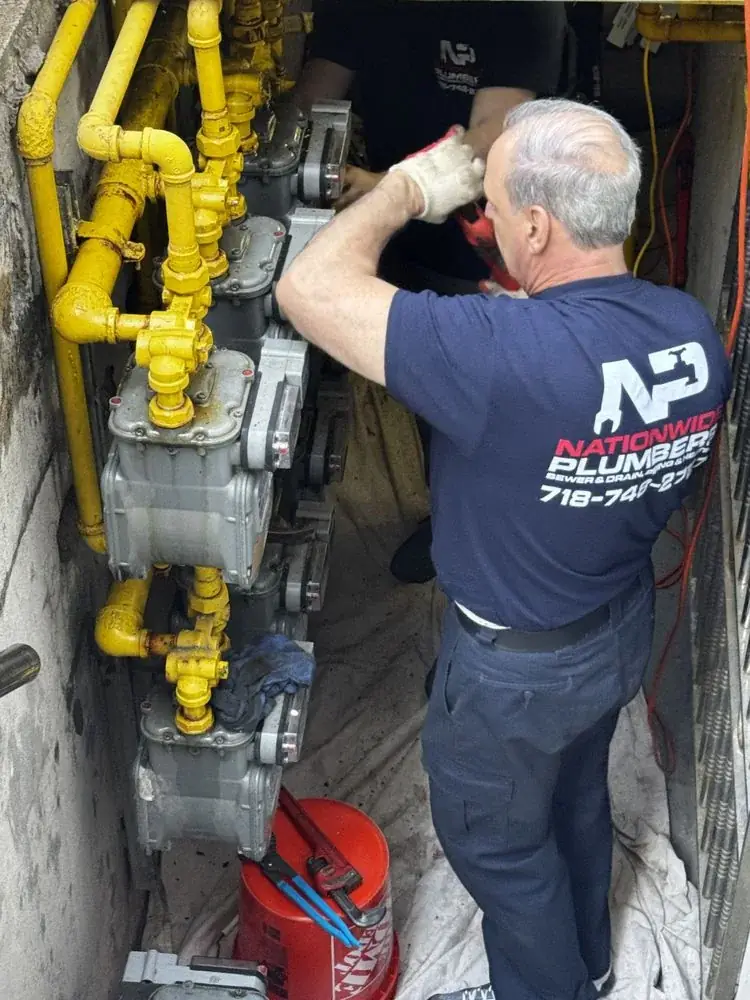
The licensed master plumber inspects the exposed gas piping from the point of entry into the building through the public and common spaces: hallways and corridors, meter rooms, boiler and mechanical rooms. The inspector looks for:
- Gas leaks, using a combustible gas detector
- Atmospheric corrosion and deteriorated piping
- Illegal connections and installations that don't meet code
- Missing or improper supports and other unsafe conditions
Piping inside individual apartments is not part of the periodic inspection, so shareholders and unit owners don't need to give access to their homes for it.
Step 3: Plan for what could be found
Most boards worry about one thing: losing gas. If the inspector finds a gas leak or other hazardous condition, it must be reported right away, and the utility can shut off gas to the affected piping until the repair is made and approved. In an apartment building that can mean stoves off for days or weeks. Read what happens if a building fails a Local Law 152 inspection.
That's why we recommend:
- Scheduling early in the due year, not in November
- Budgeting a contingency for corrections, especially in buildings with original steel piping
- Telling shareholders ahead of time that an inspection is scheduled and what a shutoff would mean
Step 4: Reports and filing
- The inspecting plumber gives the owner the inspection report within 30 days of the inspection.
- The certification is filed with DOB in DOB NOW: Safety within 60 days of the inspection.
- Defects that are not immediately hazardous must be corrected within 120 days, or up to 180 days when the certification shows more time is needed, and the correction is certified to DOB.
Step 5: Keep the records
Keep copies of the inspection report, the certification and any correction filings with the building's records. Your next inspection is due four years later.
What it costs to skip it
Failing to file the certification on time can bring a DOB civil penalty of up to $5,000 per building, and the inspection is still required.
How we work with boards
Nationwide Plumbers inspects under NYC Master Plumber License #2023, coordinates with your managing agent, sends certificates of insurance before the visit, files with DOB, and handles corrections and gas restoration if they're needed. One contact for every building in your portfolio.
Local Law 152: A Guide for Co-op and Condo Boards: FAQ
Does the inspector need to enter every apartment?
No. The periodic inspection covers exposed gas piping from where it enters the building through the public and common areas, such as hallways, corridors, meter rooms, boiler and mechanical rooms. Piping inside individual apartments is not part of the periodic inspection.
Who pays for the inspection in a co-op?
The co-op corporation or condominium, as the building owner, is responsible for the inspection and any repairs to building gas piping. How the cost is budgeted is a board decision.
What if our building has no gas piping?
You still file. A registered design professional certifies to DOB that the building has no gas piping.
When should we schedule?
Early in the due year. If defects are found, the building has 120 days (up to 180 days when the certification shows more time is needed) to correct them, and a leak can mean a gas shutoff while repairs are made. Scheduling in the spring leaves time to fix problems before the December 31 deadline.
Can you handle the paperwork with our managing agent?
Yes. We work directly with managing agents, send certificates of insurance ahead of time, and keep the board updated from inspection through DOB filing.